
**Case Study: Finding Healing Through the Canvas**
Arthur, a 38-year-old tattoo artist based in Brookings, South Dakota — a close-knit college town nestled in the rolling prairies of the eastern part of the state — presented with symptoms of chronic emotional distress following a series of compounding personal losses over a two-year period, including the death of his mother and the dissolution of a long-term relationship. Despite spending his days engaged in detailed, intimate artistic work at his downtown studio near the South Dakota State University campus, Arthur reported feeling increasingly disconnected from his craft and from the community around him. The long, isolating winters characteristic of Brookings seemed to deepen his sense of withdrawal, and he described a growing numbness that made it difficult to find meaning in the creative work that had once defined his identity.
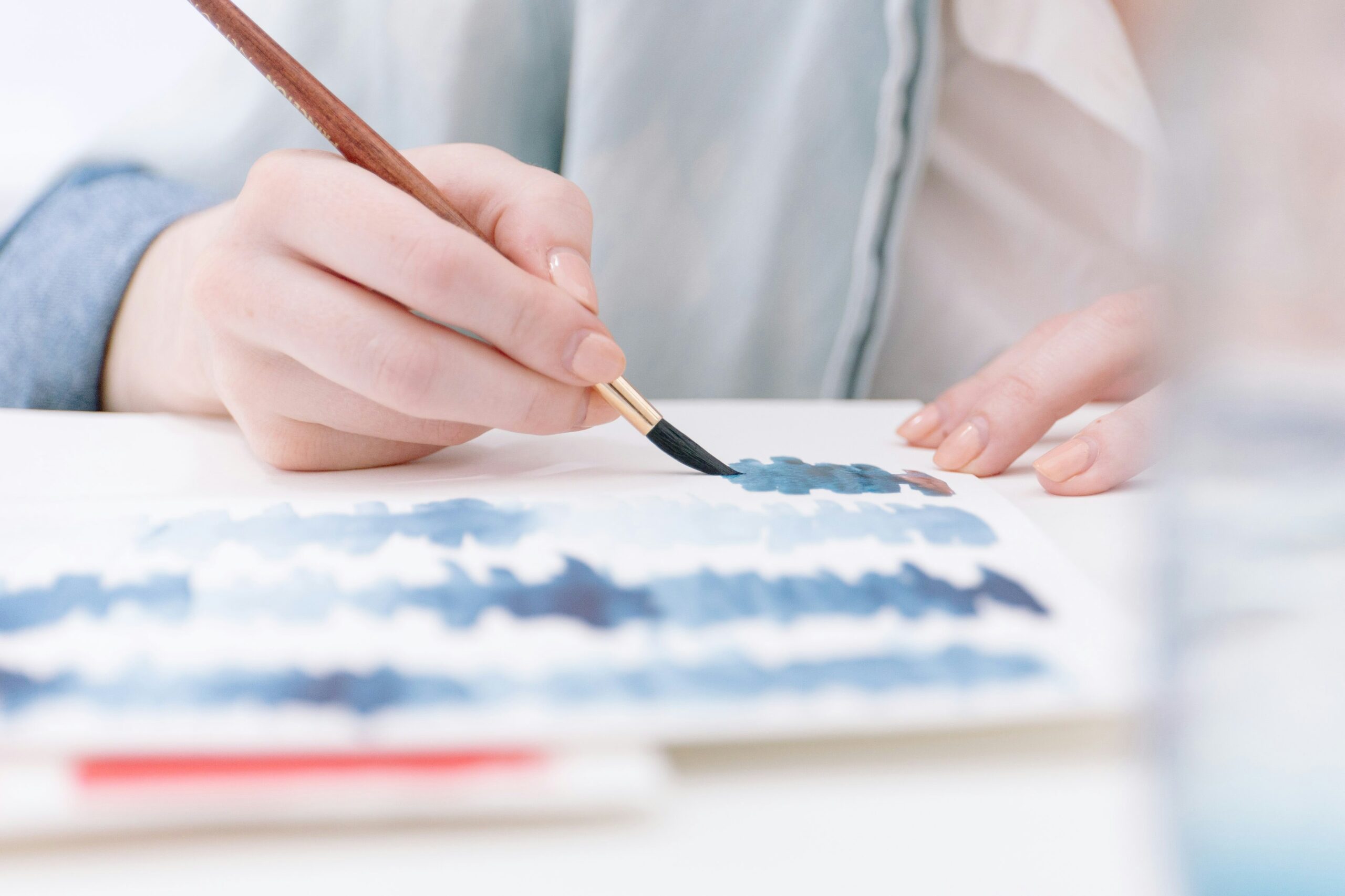
Upon the recommendation of a local mental health provider, Arthur began attending art therapy sessions — an experience he initially approached with skepticism, believing that his daily immersion in visual art would render the practice redundant. However, he quickly discovered that the therapeutic context fundamentally changed his relationship to the creative process. Unlike tattooing, which required precision, client direction, and professional detachment, art therapy invited him to create without expectation or judgment. Through unstructured painting and mixed-media work, Arthur began to access and externalize grief he had been unable to articulate in prior attempts at traditional talk therapy. His therapist noted that his early pieces were dominated by stark, monochromatic imagery, but over the course of several months, his palette gradually expanded — a visual marker that paralleled his self-reported emotional progress.
Arthur’s case illustrates a particularly compelling dimension of art therapy’s application: even individuals who work professionally in creative fields may struggle to use their art as a vehicle for personal emotional processing without guided therapeutic support. Today, Arthur describes himself as more emotionally present, both in his personal life and in his work. He has noted that his tattoo artistry has deepened as a result, and he has begun collaborating with his therapist to offer informal peer support workshops in Brookings for other local artists navigating trauma — an effort that reflects both his healing and his renewed connection to the small but resilient community he calls home.
Art therapy is a unique form of psychotherapy that utilizes creative expression as a means to address emotional challenges. It combines the principles of psychology with artistic techniques, allowing individuals to explore their feelings and experiences through various art forms. Emotional trauma can stem from a range of experiences, including loss, abuse, or significant life changes.
This type of trauma often leaves individuals feeling isolated, confused, and overwhelmed. Art therapy provides a pathway for these individuals to process their emotions in a non-verbal manner, which can be particularly beneficial when words fail to capture the depth of their experiences. The essence of art therapy lies in its ability to facilitate self-expression and communication.
For many, traditional talk therapy may not be sufficient to convey the complexities of their emotional states. Art therapy offers an alternative approach, allowing individuals to express their feelings through painting, drawing, sculpture, or other creative outlets. This process can help individuals gain insight into their emotions and experiences, fostering a deeper understanding of themselves and their trauma.
The Role of Art Therapy in Healing
Art therapy plays a significant role in the healing process for those dealing with emotional trauma. By engaging in creative activities, individuals can access parts of themselves that may be difficult to articulate verbally. This form of therapy encourages exploration and experimentation, allowing individuals to confront their feelings in a safe and supportive environment.
The act of creating art can serve as a powerful release, enabling individuals to externalize their internal struggles and begin the journey toward healing. Moreover, art therapy can help individuals develop coping strategies and resilience. As they create, they may discover new ways to manage their emotions and navigate their trauma.
The therapeutic relationship established between the therapist and the individual is also crucial in this process. A skilled art therapist can guide individuals through their creative journey, providing support and encouragement while helping them make sense of their experiences.
Expressing Emotions through Art
Art serves as a universal language that transcends cultural and linguistic barriers. For those grappling with emotional trauma, it can be a vital means of expression. Through various artistic mediums, individuals can convey feelings that may be too painful or complex to articulate with words.
The colors, shapes, and forms chosen in their artwork can reflect their emotional states, providing insight into their inner world. Creating art allows individuals to explore their emotions in a tangible way. For instance, someone experiencing grief may choose dark colors and chaotic forms to represent their sorrow.
In contrast, another individual might use bright colors and fluid shapes to express hope and healing. This process not only aids in emotional expression but also fosters self-awareness, as individuals begin to recognize patterns in their artistic choices that mirror their emotional journeys.
Creating a Safe Space for Healing
A fundamental aspect of art therapy is the creation of a safe space where individuals feel comfortable expressing themselves without fear of judgment. This environment is essential for fostering trust between the therapist and the individual. In this space, individuals can explore their emotions freely, knowing that their thoughts and feelings will be respected and validated.
The therapeutic setting often includes various art supplies and materials that encourage creativity. This accessibility allows individuals to experiment with different forms of expression, whether through painting, drawing, or mixed media. The act of creating in a supportive environment can be liberating, enabling individuals to confront their trauma at their own pace while feeling secure in the knowledge that they are not alone in their journey.
The Therapeutic Benefits of Creativity
Engaging in creative activities has numerous therapeutic benefits that extend beyond emotional expression. Creativity can serve as a form of mindfulness, allowing individuals to focus on the present moment while engaging in the artistic process. This mindfulness can help reduce anxiety and promote relaxation, creating a sense of calm amidst emotional turmoil.
Additionally, creativity fosters problem-solving skills and encourages innovative thinking. As individuals navigate the artistic process, they learn to approach challenges from different angles, which can translate into improved coping strategies in their daily lives. The act of creating also promotes a sense of accomplishment and self-worth, reinforcing positive feelings that can counterbalance the effects of trauma.
Art Therapy Techniques for Emotional Trauma
Art therapists employ various techniques tailored to meet the unique needs of each individual. One common approach is guided imagery, where the therapist encourages the individual to visualize a safe place or a positive experience before creating art. This technique helps establish a sense of security and comfort before delving into more challenging emotions.
Another effective technique is the use of metaphor in art-making. Individuals may be encouraged to create artwork that symbolizes their feelings or experiences without directly depicting them. For example, someone might choose to represent their anger through abstract shapes or colors rather than illustrating a specific event.
This approach allows for exploration without the pressure of recounting painful memories directly.
Building Resilience through Art
Art therapy not only aids in processing trauma but also plays a crucial role in building resilience. As individuals engage in creative expression, they develop skills that enhance their ability to cope with future challenges. The process of creating art encourages perseverance and adaptability, qualities that are essential for overcoming adversity.
Through art therapy, individuals learn to recognize their strengths and resources. They may discover new ways to approach problems or find solace in creative outlets during difficult times. This newfound resilience empowers them to face life’s challenges with greater confidence and hope.
Art as a Tool for Self-Exploration
Art serves as an invaluable tool for self-exploration, allowing individuals to gain insights into their thoughts and feelings. The creative process often reveals hidden aspects of oneself that may not be immediately apparent through verbal reflection alone. As individuals create art, they may uncover underlying emotions or beliefs that influence their behavior and relationships.
This self-exploration can lead to profound personal growth. By examining their artwork and reflecting on the choices made during the creative process, individuals can gain clarity about their experiences and emotions. This understanding fosters a greater sense of self-acceptance and encourages individuals to embrace all facets of their identity.
Art Therapy in Conjunction with Traditional Therapy
Art therapy can complement traditional therapeutic approaches by providing an additional layer of support for individuals dealing with emotional trauma. While talk therapy focuses on verbal communication and cognitive processing, art therapy allows for non-verbal expression and exploration of emotions that may be difficult to articulate. Integrating art therapy with traditional therapy can enhance the overall therapeutic experience.
For instance, individuals may engage in talk therapy sessions alongside art-making sessions, allowing them to process emotions through both verbal and creative means. This holistic approach addresses the complexities of trauma from multiple angles, promoting deeper healing.
Case Studies: Success Stories of Art Therapy in Healing Emotional Trauma
Numerous success stories highlight the transformative power of art therapy in healing emotional trauma. Individuals who have experienced significant loss or abuse often find solace in creative expression. Through art therapy, they have been able to confront their pain and begin the journey toward recovery.
In one case, an individual who had experienced childhood trauma found relief through painting. Initially hesitant to share her story verbally, she discovered that her artwork allowed her to express her feelings without fear of judgment. Over time, she gained confidence in her ability to communicate her experiences and began to heal from her past.
The Future of Art Therapy in Healing Emotional Trauma
The future of art therapy holds great promise as an effective tool for healing emotional trauma. As awareness of mental health issues continues to grow, more individuals are seeking alternative therapeutic approaches that resonate with them on a personal level. Art therapy offers a unique avenue for self-expression and healing that appeals to many.
As research into the benefits of art therapy expands, it is likely that more practitioners will incorporate this approach into their work with clients facing emotional challenges. The integration of technology into art therapy practices may also enhance accessibility for those who may not have access to traditional therapeutic settings. Overall, the future looks bright for art therapy as it continues to evolve as a vital resource for healing emotional trauma.


