
**Case Study: Gardening as a Stress Management Intervention in a Urban Creative Professional**
Danielle, a 34-year-old graphic designer residing in Charlotte, North Carolina, presented with chronic stress symptoms including persistent tension headaches, disrupted sleep, and increasing difficulty concentrating during her workday. As a freelance designer serving clients in Charlotte’s rapidly growing business corridor — an area experiencing significant urban expansion and economic development — Danielle found herself managing an escalating workload compounded by the pressures of a highly competitive creative market. She reported spending upwards of ten hours daily in front of screens, often working from her apartment in the NoDa arts district, and noted that she had become increasingly isolated and disconnected from the natural environment despite Charlotte’s abundance of green spaces, including the nearby UNC Charlotte Botanical Gardens and the city’s extensive urban tree canopy. Her stress had begun to manifest physically, and she acknowledged feeling a diminishing sense of purpose outside of client deadlines and deliverables.
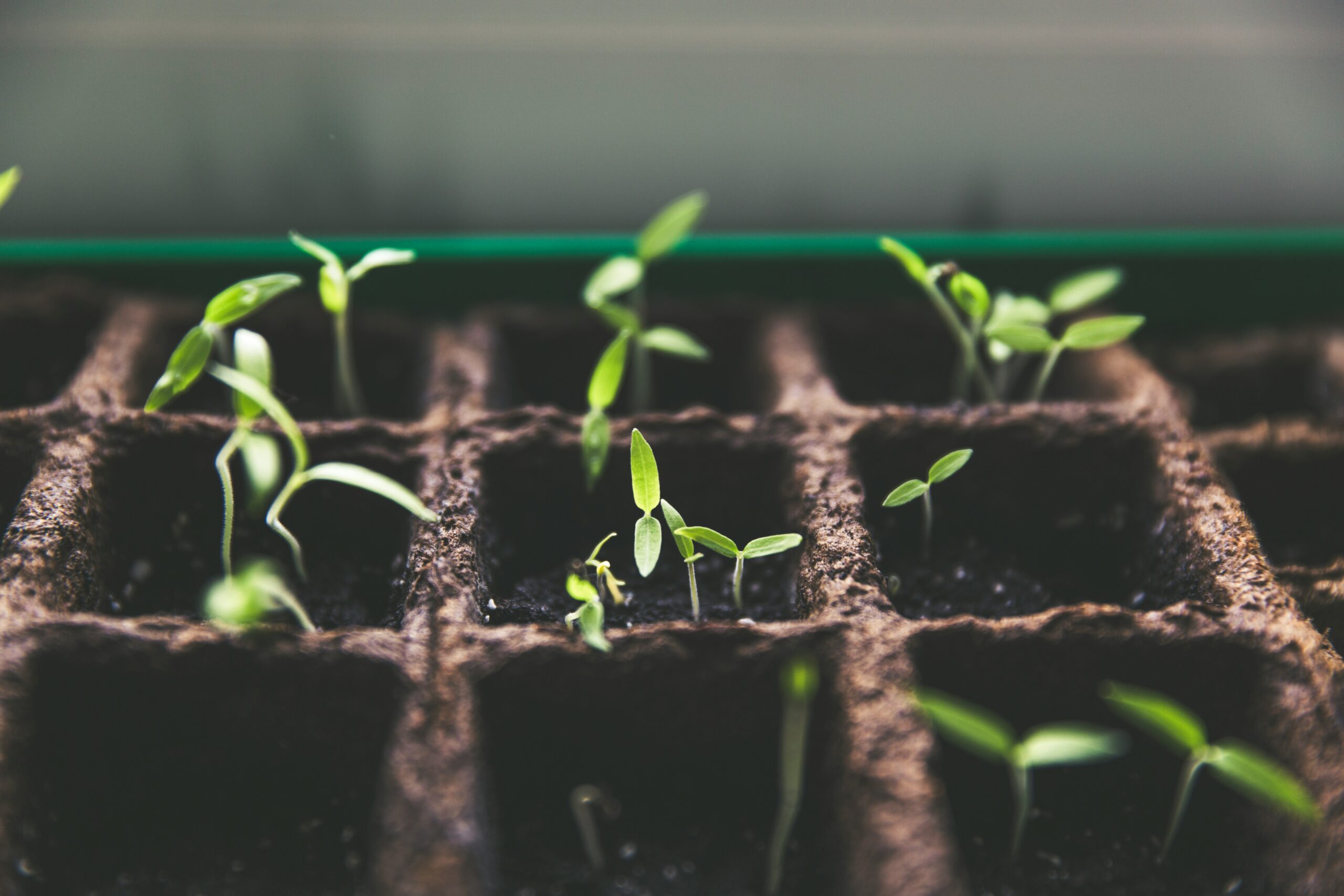
At the suggestion of her primary care provider, Danielle began a modest container gardening practice on her apartment balcony, starting with herbs and seasonal flowers suited to Charlotte’s humid subtropical climate. Within weeks, she reported a noticeable shift in her daily routine and emotional state. The tactile, hands-on nature of gardening provided a meaningful counterbalance to her screen-intensive career, and she described the act of tending to her plants each morning as a grounding ritual that helped her enter her workday with greater calm and focus. Over the course of several months, Danielle expanded her garden, joined a community gardening group in the Plaza Midwood neighborhood, and reported marked improvements in her sleep quality, a reduction in headache frequency, and a renewed sense of accomplishment that extended beyond her professional output.
Danielle’s experience illustrates a pattern increasingly observed among urban professionals: the deliberate integration of gardening into daily life as a practical, accessible strategy for managing chronic stress. Her case is particularly noteworthy because it demonstrates that even individuals without access to large outdoor spaces — a common constraint in Charlotte’s growing urban core — can derive substantial psychological and physical benefits from cultivating plants on a small scale. Danielle continues to garden regularly and credits the practice with helping her sustain both her creative energy and her overall well-being.
Gardening has long been recognized as a fulfilling hobby, but its potential as a stress management tool is gaining increasing attention. Engaging with nature through gardening offers individuals a unique opportunity to connect with the environment while cultivating a sense of purpose and accomplishment. The act of nurturing plants can provide a welcome distraction from daily stressors, allowing individuals to focus on the present moment and experience a sense of tranquility.
As more people seek effective ways to manage stress, gardening emerges as a practical and enjoyable solution. The appeal of gardening lies not only in its aesthetic rewards but also in its ability to foster emotional well-being. Whether tending to a small balcony garden or managing a larger plot, the physical and mental engagement involved in gardening can lead to significant improvements in overall health.
This article will explore the various psychological and physical benefits of gardening, how it can alleviate stress and anxiety, and its role in coping with depression. By understanding these aspects, individuals can harness the power of gardening as a valuable tool for enhancing mental health.
The Psychological Benefits of Gardening
Gardening offers numerous psychological benefits that contribute to improved mental health. One of the most significant advantages is the sense of accomplishment that comes from nurturing plants and watching them grow. This process can instill a sense of pride and boost self-esteem, particularly for those who may struggle with feelings of inadequacy in other areas of life.
The act of planting seeds, caring for them, and ultimately reaping the rewards can create a positive feedback loop that enhances one’s mood and outlook. Additionally, gardening encourages mindfulness, which is the practice of being present in the moment. When individuals engage in gardening, they often find themselves immersed in the sights, sounds, and smells of nature.
This sensory experience can help to quiet racing thoughts and promote relaxation. By focusing on the task at hand—whether it is weeding, watering, or harvesting—individuals can temporarily set aside their worries and anxieties, leading to a more peaceful state of mind.
The Physical Benefits of Gardening
In addition to its psychological advantages, gardening also provides numerous physical benefits that contribute to overall well-being. Engaging in gardening activities often involves various forms of physical exercise, such as digging, planting, and weeding. These activities can improve cardiovascular health, enhance strength, and increase flexibility.
Regular physical activity is essential for maintaining a healthy body and can significantly reduce the risk of chronic diseases. Moreover, spending time outdoors while gardening exposes individuals to natural sunlight, which is a vital source of vitamin D. This nutrient plays an essential role in bone health and immune function.
Furthermore, being in nature has been shown to lower blood pressure and reduce levels of cortisol, the hormone associated with stress. Thus, gardening not only promotes physical fitness but also contributes to a healthier physiological state.
How Gardening Can Reduce Stress and Anxiety
Gardening serves as an effective means of reducing stress and anxiety through various mechanisms. The repetitive nature of gardening tasks can have a calming effect on the mind. Activities such as digging or planting require focus and attention, which can help individuals shift their thoughts away from stressors and anxieties.
This focus on physical tasks allows for a mental break from daily pressures, creating a sense of relief. Additionally, the connection with nature that gardening fosters can be incredibly grounding. Nature has a unique ability to soothe the mind and spirit.
The sights and sounds of a garden—birds chirping, leaves rustling in the wind—can create an atmosphere of peace that contrasts sharply with the hustle and bustle of modern life. This natural environment encourages relaxation and can significantly lower feelings of anxiety.
The Role of Gardening in Coping with Depression
Gardening can play a crucial role in coping with depression by providing individuals with a constructive outlet for their emotions. Engaging in gardening activities allows individuals to express themselves creatively while also fostering a sense of responsibility. Caring for plants requires commitment and consistency, which can help individuals establish routines that are beneficial for mental health.
Moreover, the act of nurturing living things can instill hope and purpose in those experiencing depressive symptoms. Watching plants grow and thrive can serve as a metaphor for personal growth and recovery. This connection to life can inspire individuals to take positive steps toward improving their mental health, reinforcing the idea that change is possible.
The Therapeutic Aspects of Gardening
The therapeutic aspects of gardening extend beyond mere enjoyment; they encompass a holistic approach to mental health care. Many therapeutic programs incorporate gardening as a form of horticultural therapy, where trained professionals guide individuals through gardening activities designed to promote healing and personal growth. This structured approach allows participants to explore their feelings while engaging in meaningful work.
Gardening therapy often emphasizes social interaction as well. Group gardening activities can foster connections among participants, reducing feelings of isolation that often accompany mental health challenges. Sharing experiences and working together toward common goals can create a supportive community that enhances emotional resilience.
Incorporating Gardening into Stress Management Programs
Incorporating gardening into stress management programs offers a practical approach to enhancing mental well-being. Organizations focused on mental health can develop community gardens or therapeutic gardening workshops that provide participants with hands-on experience in cultivating plants. These programs can be tailored to meet the needs of various populations, including children, adults, and seniors.
By integrating gardening into existing wellness initiatives, organizations can offer participants an engaging way to manage stress while promoting physical activity and social interaction. Workshops could include educational components about plant care, nutrition, and environmental sustainability, further enriching participants’ experiences and knowledge.
Case Studies and Research on Gardening and Mental Health
While specific studies are not discussed here, numerous anecdotal accounts highlight the positive impact of gardening on mental health. Many individuals report significant improvements in mood and overall well-being after engaging in gardening activities. Community gardens have emerged as popular spaces where people come together to cultivate plants while building relationships with others.
These shared experiences often lead to increased feelings of belonging and support among participants. As more communities recognize the benefits of gardening for mental health, there is potential for broader implementation in various settings, including schools, rehabilitation centers, and senior living facilities.
Tips for Starting a Garden for Stress Management
Starting a garden for stress management does not require extensive knowledge or experience; it simply requires enthusiasm and willingness to learn. Beginners should consider starting small by selecting easy-to-grow plants such as herbs or flowers that thrive in their local climate. Container gardening is also an excellent option for those with limited space or resources.
Creating a dedicated space for gardening—whether indoors or outdoors—can enhance the experience. Individuals should aim to establish a routine that includes regular time spent tending to their plants. This commitment not only fosters growth but also reinforces the habit of taking time for oneself amidst life’s demands.
The Connection Between Gardening and Mindfulness
Gardening inherently promotes mindfulness by encouraging individuals to engage fully with their surroundings. The act of planting seeds or watering plants requires attention to detail and presence in the moment. This focus on sensory experiences—such as feeling the soil between one’s fingers or observing the colors of blooming flowers—can cultivate mindfulness skills that extend beyond the garden.
Practicing mindfulness through gardening can lead to greater emotional regulation and resilience against stressors. As individuals learn to appreciate the beauty of nature and the process of growth, they may find themselves better equipped to handle challenges in their daily lives.
The Future of Gardening in Mental Health Treatment
As awareness grows regarding the importance of mental health, gardening is poised to play an increasingly significant role in treatment approaches. Its multifaceted benefits—ranging from psychological improvements to physical health enhancements—make it an appealing option for individuals seeking effective stress management strategies. The future may see more integration of gardening into therapeutic practices across various settings, providing individuals with accessible tools for enhancing their mental well-being.
By embracing gardening as a legitimate form of therapy, society can foster healthier communities that prioritize both physical and emotional health through connection with nature.


