
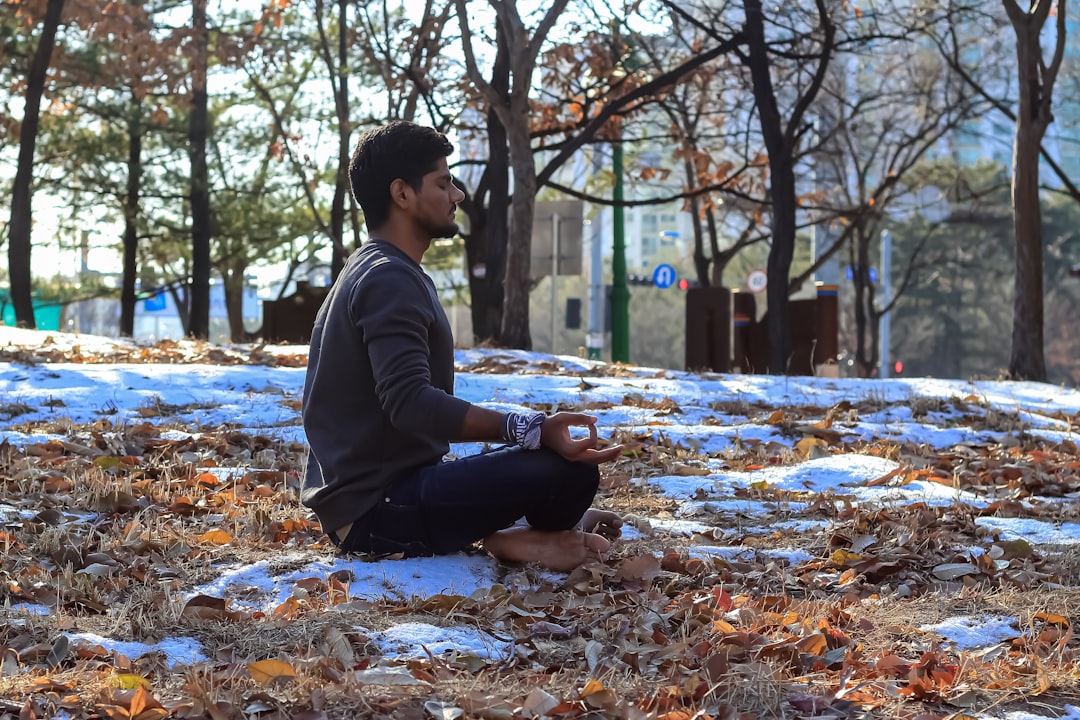
Douglas, a 38-year-old electrical engineer residing in the vibrant city of St. Louis, Missouri, found himself caught in the throes of professional burnout and a growing sense of disconnection from his surroundings. Despite his successful career, the relentless demands of his job and the high-pressure environment of urban living left him feeling increasingly anxious and isolated. St. Louis, with its rich history and bustling urban life, offered little solace amidst the stressors of daily life. Douglas often yearned for a break from the constant hum of technology and the pressures of his career, seeking a path towards mental well-being and personal fulfillment.
One afternoon, while exploring his neighborhood, Douglas stumbled upon a community garden tucked away amidst the city’s concrete landscape. Intrigued by the tranquility and vibrant life within, he decided to become a part of this green oasis. As Douglas immersed himself in the world of gardening, he discovered that tending to plants offered a welcome reprieve from the technical complexities of his work. The act of nurturing seedlings and watching them flourish became a therapeutic ritual, allowing him to engage in mindfulness and focus solely on the present task at hand. This newfound hobby not only alleviated his stress but also cultivated a sense of accomplishment and peace.
Moreover, the garden transformed into a social haven where Douglas connected with like-minded individuals who shared his passion for nature and community. These interactions fostered a sense of belonging and support, bridging the gap of isolation he had felt for so long. Through the simple yet profound experience of community gardening, Douglas’s mental health saw significant improvement. His journey underscores the profound impact of nature and community engagement on mental well-being, highlighting the resilience of the human spirit and the healing power found in seemingly ordinary endeavors.
Community gardens have emerged as vibrant spaces that not only beautify neighborhoods but also foster a sense of belonging and well-being among their participants. These gardens serve as communal plots where individuals come together to cultivate plants, share resources, and engage in meaningful interactions. The act of gardening itself can be a therapeutic endeavor, offering a unique blend of physical activity, creativity, and connection to nature.
As urban areas continue to expand, the importance of these green spaces becomes increasingly evident, particularly in their potential to enhance mental health. The relationship between community gardens and mental well-being is multifaceted. Research has shown that engaging in gardening activities can lead to reduced stress levels, improved mood, and a greater sense of purpose.
In a world where mental health issues are on the rise, community gardens present an accessible and effective means of promoting psychological resilience. By exploring the various dimensions of how these gardens contribute to mental well-being, we can better appreciate their role in fostering healthier communities.
The Benefits of Community Gardens for Mental Health
Community gardens offer a plethora of benefits that extend beyond the physical act of gardening. One of the most significant advantages is the reduction of stress and anxiety. Engaging with soil, plants, and nature has been shown to lower cortisol levels, the hormone associated with stress.
The rhythmic motions of planting, weeding, and harvesting can serve as a form of mindfulness practice, allowing individuals to focus on the present moment and escape the pressures of daily life. This grounding experience can be particularly beneficial for those dealing with anxiety or depression. Moreover, community gardens provide a sense of accomplishment and purpose.
As individuals nurture their plants and witness their growth, they experience a tangible reward for their efforts. This sense of achievement can boost self-esteem and foster a positive outlook on life. Additionally, the act of growing food can instill a sense of pride and connection to one’s community, reinforcing the idea that individuals can contribute positively to their environment.
The combination of these factors creates a powerful antidote to feelings of hopelessness or disconnection that often accompany mental health challenges.
Social Interaction and Support in Community Gardens
One of the most profound aspects of community gardens is their ability to facilitate social interaction and support among participants. These gardens serve as gathering places where individuals from diverse backgrounds come together with a shared purpose. The collaborative nature of gardening encourages communication, teamwork, and the sharing of knowledge and resources.
This social engagement can combat feelings of isolation and loneliness, which are prevalent in today’s fast-paced society. In community gardens, relationships often blossom alongside the plants. Participants form friendships, share stories, and provide emotional support to one another.
This sense of camaraderie can be particularly beneficial for individuals who may be struggling with mental health issues. The garden becomes a safe space where people can express themselves freely and connect with others who understand their experiences. Such social networks are crucial for fostering resilience and promoting overall mental well-being.
Physical Activity and Mental Well-being in Community Gardens
Gardening is inherently a physical activity that promotes movement and exercise. Engaging in tasks such as digging, planting, weeding, and harvesting not only contributes to physical fitness but also has significant mental health benefits. Regular physical activity is known to release endorphins, the body’s natural mood lifters, which can alleviate symptoms of depression and anxiety.
In community gardens, participants often find themselves immersed in physical labor that is both enjoyable and rewarding. Furthermore, the physical activity involved in gardening can improve cognitive function and enhance overall mental clarity. As individuals engage in gardening tasks, they often experience an increase in focus and concentration.
This heightened state of awareness can lead to improved problem-solving skills and creativity. The combination of physical exertion and mental engagement creates a holistic approach to well-being that nurtures both body and mind.
Connection to Nature and its Impact on Mental Health
The connection to nature that community gardens provide is another vital component of their impact on mental well-being. Numerous studies have demonstrated that spending time in natural environments can significantly reduce symptoms of stress, anxiety, and depression. The sights, sounds, and smells of nature have a calming effect on the mind, promoting relaxation and tranquility.
Community gardens offer an accessible way for individuals to immerse themselves in nature without having to travel far from home. Moreover, interacting with plants and soil fosters a sense of stewardship towards the environment. This connection can lead to increased environmental awareness and a desire to protect natural spaces.
When individuals feel more connected to their surroundings, they often experience an enhanced sense of purpose and fulfillment. This relationship with nature not only benefits individual mental health but also contributes to the overall well-being of the community as people work together to care for their shared environment.
Community Gardens as Therapeutic Spaces
The Power of Self-Expression and Skill Development
Horticultural therapy utilizes gardening activities to improve psychological well-being by providing individuals with opportunities for self-expression, skill development, and social interaction. This form of therapy has been shown to have a positive impact on mental health, allowing individuals to express themselves, develop new skills, and connect with others.
A Sanctuary for Emotional Exploration
In these therapeutic settings, participants often find solace in the act of nurturing plants while simultaneously nurturing themselves. The garden becomes a sanctuary where individuals can explore their emotions, confront challenges, and cultivate resilience. This safe space allows individuals to process their emotions and develop coping mechanisms, leading to improved mental wellness.
Mirroring Personal Growth
The process of tending to plants mirrors personal growth; just as plants require care and attention to thrive, so too do individuals need support in their journey towards mental wellness. By caring for plants, individuals can develop a sense of responsibility, empathy, and compassion, all of which are essential for personal growth and healing.
Community Gardens and Food Security’s Impact on Mental Well-being
Food security is an essential aspect of overall well-being, and community gardens play a crucial role in addressing this issue. By providing access to fresh fruits and vegetables, these gardens contribute to improved nutrition and health outcomes for participants. A well-balanced diet is closely linked to mental health; deficiencies in essential nutrients can exacerbate symptoms of anxiety and depression.
Moreover, community gardens empower individuals by giving them control over their food sources. This sense of agency can significantly enhance self-esteem and foster a positive self-image. When people grow their own food, they develop a deeper understanding of nutrition and healthy eating habits, which can lead to long-term improvements in both physical and mental health.
The act of sharing produce within the community further strengthens social bonds and reinforces the idea that everyone has a role in promoting collective well-being.
The Future of Community Gardens in Promoting Mental Well-being
As we look towards the future, the role of community gardens in promoting mental well-being will likely continue to grow in importance. With increasing awareness of mental health issues and the need for accessible support systems, these green spaces offer a unique solution that combines social interaction, physical activity, connection to nature, and food security—all essential components for fostering resilience. Community gardens have the potential to transform urban landscapes into thriving hubs of wellness where individuals can come together to cultivate not only plants but also relationships and personal growth.
By advocating for the establishment and maintenance of these gardens, we can create healthier communities that prioritize mental well-being for all residents. As we nurture these spaces, we also nurture ourselves—creating a cycle of growth that benefits both individuals and communities alike.


