
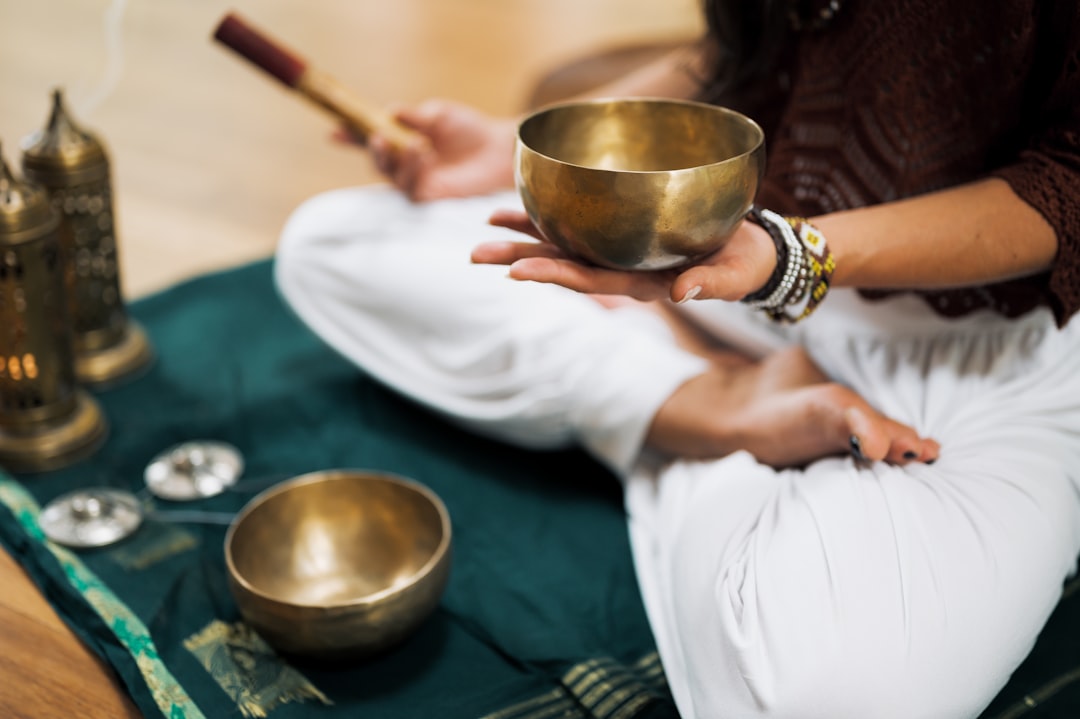
In the bustling city of Portland, a 34-year-old woman named Elowen found herself grappling with the overwhelming weight of chronic stress. A high-pressure job in marketing, coupled with personal challenges, led to a gradual decline in her mental wellness. Initially, Elowen dismissed her symptoms—occasional headaches, fatigue, and irritability—as just the burdens of adulthood. However, as stress persisted, her emotional landscape darkened. She experienced debilitating anxiety, often feeling trapped in a cycle of worry that left her unable to focus on both work and personal relationships. Recognizing the toll that stress was taking on her life, Elowen sought help.
After an initial consultation with a mental health professional, Elowen was diagnosed with generalized anxiety disorder. Her treatment journey included cognitive-behavioral therapy, which provided her with effective coping strategies, and mindfulness practices that fostered emotional regulation. With dedication and resilience, Elowen embraced self-care routines, incorporating regular exercise and mindfulness meditation into her daily life. Over time, she learned to recognize the signs of stress and proactively manage them. Today, Elowen shares her story as a testament to the power of seeking help and prioritizing mental wellness. If you relate to Elowen’s journey or find yourself struggling with stress, we encourage you to reach out through our website contact form. You are not alone, and support is available.
Stress is an inevitable part of life, but its effects on mental wellness can be profound and far-reaching. When faced with challenges, our bodies respond with a complex interplay of physiological and psychological reactions. This response, often referred to as the “fight or flight” mechanism, can be beneficial in short bursts, helping us to navigate immediate threats.
However, when stress becomes chronic, it can lead to a cascade of negative consequences for our mental health. Prolonged exposure to stress hormones can disrupt brain function, impair memory, and contribute to anxiety and depression. Understanding this relationship is crucial for recognizing the importance of managing stress effectively.
Moreover, the impact of stress extends beyond individual experiences; it can affect relationships, work performance, and overall quality of life. Individuals may find themselves feeling overwhelmed, irritable, or unable to concentrate. These emotional responses can strain personal connections and hinder productivity, creating a cycle that perpetuates stress.
By acknowledging the significant role that stress plays in mental wellness, we can begin to take proactive steps toward fostering a healthier mindset and lifestyle.
Recognizing the Signs and Symptoms of Overwhelming Stress
Physical Symptoms of Stress
Common physical symptoms of stress include headaches, fatigue, muscle tension, and gastrointestinal issues. These bodily responses are often signals that our minds are under duress.
Emotional Signs of Stress
Emotionally, individuals may experience feelings of anxiety, irritability, or sadness. It’s essential to pay attention to these signs, as they can serve as indicators that our mental wellness is being compromised.
Behavioral Changes and Stress
In addition to these symptoms, behavioral changes may also arise in response to stress. Some individuals may withdraw from social interactions or engage in unhealthy coping mechanisms such as overeating or substance use. Others might find themselves unable to focus on tasks or experiencing a decline in their performance at work or school. By being vigilant about these signs and symptoms, we can take the necessary steps to address stress before it escalates into more significant mental health challenges.
Implementing Self-Care Practices to Manage Stress
Self-care is a vital component of managing stress and promoting mental wellness. It encompasses a range of activities that prioritize our physical, emotional, and psychological well-being. Simple practices such as regular exercise, adequate sleep, and a balanced diet can significantly impact how we handle stress.
Physical activity releases endorphins, which are natural mood lifters, while proper nutrition fuels our bodies and minds. Establishing a consistent sleep routine also plays a crucial role in maintaining mental clarity and emotional stability. In addition to these foundational practices, self-care can include mindfulness techniques such as meditation or deep-breathing exercises.
These methods help ground us in the present moment and reduce feelings of anxiety. Engaging in hobbies or activities that bring joy can also serve as a powerful antidote to stress. Whether it’s painting, gardening, or reading, dedicating time to activities we love fosters a sense of fulfillment and relaxation.
By incorporating self-care into our daily routines, we create a buffer against the pressures of life and enhance our overall mental wellness.
Seeking Professional Support and Resources for Mental Wellness
While self-care practices are essential for managing stress, there are times when professional support is necessary. Mental health professionals can provide valuable insights and strategies tailored to individual needs. Therapy offers a safe space to explore feelings and develop coping mechanisms that are effective in managing stress.
Cognitive-behavioral therapy (CBT), for instance, focuses on identifying negative thought patterns and replacing them with healthier perspectives. This approach can empower individuals to take control of their mental wellness. In addition to therapy, various resources are available for those seeking support.
Community organizations often offer workshops, support groups, and educational programs focused on mental health awareness and stress management. Online platforms also provide access to mental health resources, including virtual therapy sessions and self-help tools. By reaching out for professional support, individuals can gain the guidance needed to navigate their stressors more effectively and foster long-term mental wellness.
Creating a Supportive and Nurturing Environment for Mental Wellness
The environment we inhabit plays a significant role in our mental wellness. A supportive and nurturing atmosphere can enhance our ability to cope with stressors effectively. This environment includes not only our physical surroundings but also the relationships we cultivate with others.
Surrounding ourselves with positive influences—friends who uplift us, family members who listen without judgment—can create a strong support network that fosters resilience. Creating a nurturing environment also involves setting boundaries that protect our mental space. This may mean limiting exposure to negative news or disengaging from toxic relationships that drain our energy.
Additionally, fostering open communication within our relationships encourages vulnerability and connection. When we feel safe expressing our thoughts and emotions, we are better equipped to manage stress collectively. By prioritizing a supportive environment, we lay the groundwork for improved mental wellness.
Developing Resilience and Coping Strategies for Sustainable Mental Wellness
Resilience is the ability to bounce back from adversity, and it is a crucial skill for maintaining mental wellness in the face of stress. Developing resilience involves cultivating a mindset that embraces challenges as opportunities for growth rather than insurmountable obstacles. This shift in perspective allows individuals to approach difficulties with confidence and adaptability.
Building resilience can be achieved through various strategies such as setting realistic goals, practicing gratitude, and maintaining a sense of humor even in tough times. Coping strategies also play an essential role in fostering resilience. These strategies can be both problem-focused—addressing the source of stress directly—and emotion-focused—managing emotional responses to stressors.
Techniques such as journaling can help individuals process their thoughts and feelings, while engaging in social activities can provide distraction and support during challenging times. By developing a toolkit of coping strategies tailored to personal preferences, individuals can enhance their resilience and navigate life’s ups and downs with greater ease.
Finding Balance and Prioritizing Mental Wellness in Daily Life
In today’s fast-paced world, finding balance is essential for prioritizing mental wellness. It’s easy to become overwhelmed by responsibilities at work or home, leading to neglect of our own needs. To achieve balance, it’s important to establish priorities that align with our values and well-being.
This may involve learning to say no to commitments that do not serve our mental health or delegating tasks when possible. Incorporating regular breaks into our daily routines is another effective way to maintain balance. Short pauses throughout the day allow us to recharge mentally and physically, enhancing productivity when we return to tasks.
Additionally, scheduling time for relaxation or leisure activities is crucial for preventing burnout. By intentionally carving out moments for self-care amidst our busy lives, we reinforce the importance of mental wellness as a priority rather than an afterthought.
Cultivating Mindfulness and Emotional Regulation for Long-Term Mental Wellness
Mindfulness is a powerful practice that promotes emotional regulation and long-term mental wellness. It involves being fully present in the moment without judgment, allowing us to observe our thoughts and feelings without becoming overwhelmed by them. Mindfulness techniques such as meditation or mindful breathing can help reduce anxiety and improve emotional resilience over time.
Emotional regulation is closely tied to mindfulness; it involves recognizing our emotions and responding to them in healthy ways rather than reacting impulsively. Techniques such as identifying triggers or practicing self-compassion can enhance our ability to manage emotions effectively. By cultivating mindfulness and emotional regulation skills, individuals can create a solid foundation for sustainable mental wellness that supports them through life’s challenges.
In conclusion, understanding the multifaceted nature of stress and its impact on mental wellness is essential for fostering a healthier mindset. By recognizing signs of overwhelming stress, implementing self-care practices, seeking professional support when needed, creating nurturing environments, developing resilience strategies, finding balance in daily life, and cultivating mindfulness, individuals can take proactive steps toward enhancing their mental well-being. Prioritizing mental wellness is not just an individual journey; it is a collective effort that requires compassion, understanding, and support from ourselves and those around us.


